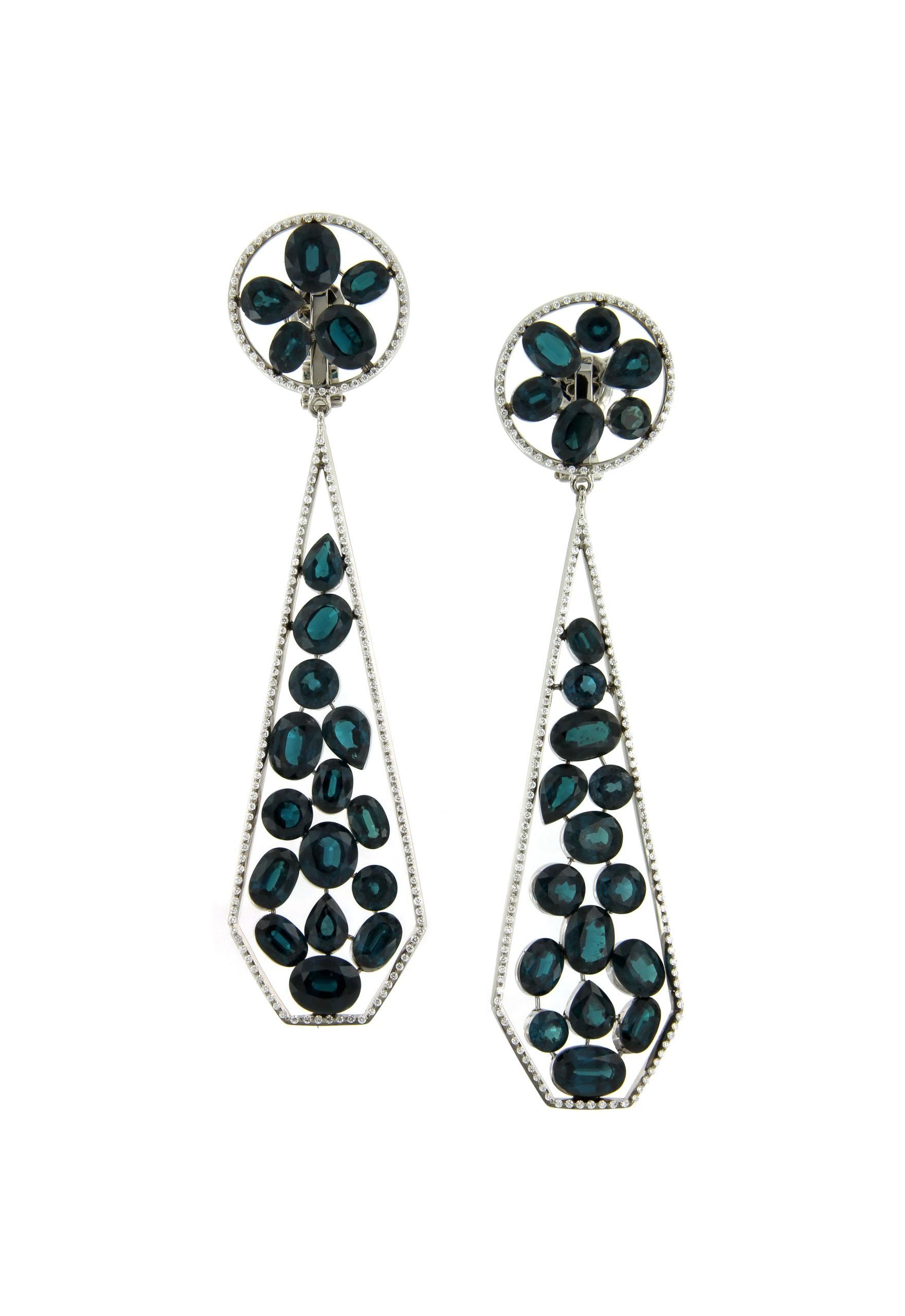
Prince of Shahnazar and Varanda
Does Zarian have any special capability or niche that makes it different from other companies in the jewellery manufacturing industry?
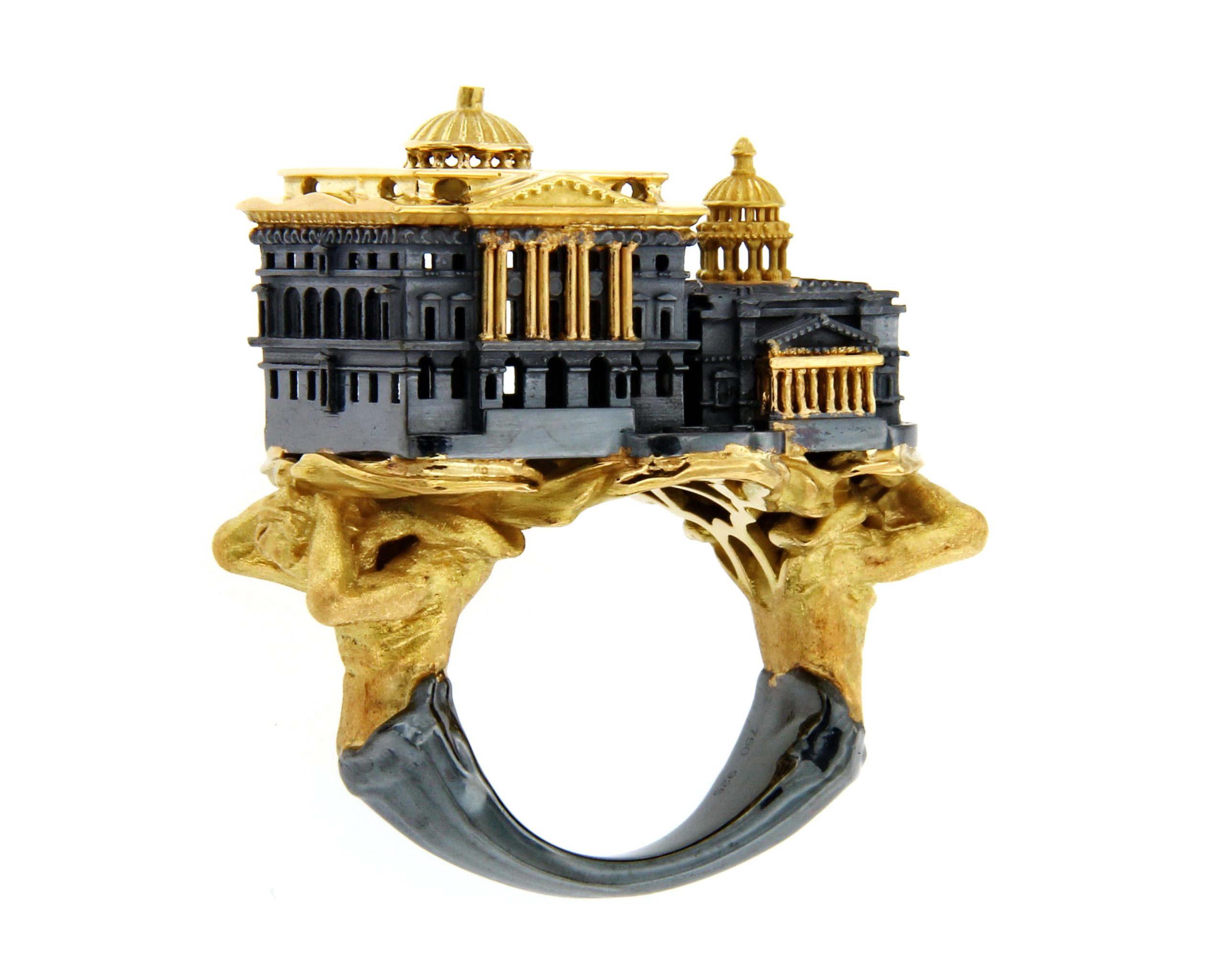
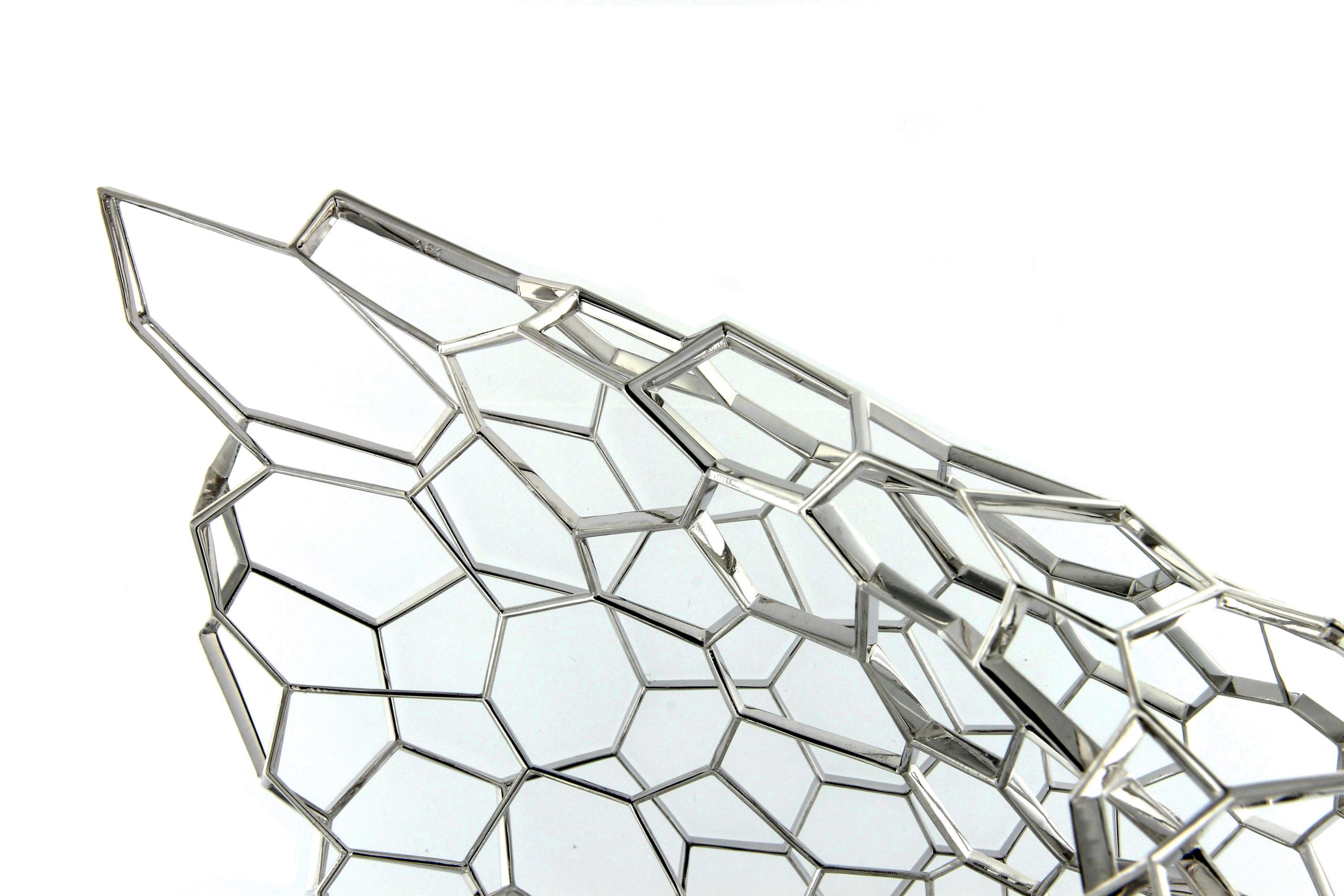
Yes, we do. We’ve become known for being able to achieve consistently high standards in solving complicated technical problems in prototyping and manufacturing premium jewellery. Few other companies can handle the kinds of challenging orders that we undertake for our clients. And few competitors are even not willing to try, because they know that difficult orders can eat up all their profits. Yet, over the years we have worked hard to succeed at this.
What enables Zarian to handle these technically challenging projects?
One advantage is that I not only run the company as CEO, but I myself have been a goldsmith for over 60 years. I was also an appraiser for 36 years, working as a legally sworn expert, certified by the Austrian court. I wrote articles about the great jewellery houses of the 19th and 20th centuries. Over the years I examined more than 100,000 pieces of jewellery, including some well-known collections. Now, when you work as an expert appraiser of old jewellery in addition to continually improving your professional practices as a goldsmith and silversmith, then you tend to gain a variety of special knowledge that is difficult to obtain in any other way and that is of value to clients like ours.
Do you have any special approach to the process of collaborating with your client?
We like to work with people on a long-term basis. We believe it takes a minimum of 1 year to get to know a client. That’s when you can really manage to think like the client. And that’s when you achieve what the client wants.
And the interesting thing is that it has nothing to do with quality. It has to do with different tastes. There might be three clients who all want the same high quality of work, but they each have a totally different view of how the work should look.
With other words, it’s not just prototyping or manufacturing, but solving problems through a consultation process?
Correct, in the beginning of a new collection, we serve like a consultant for them. We put in all our knowledge, and trying to achieve their wishes.
What’s interesting is that in all the big companies there is the art director, the production manager, the marketing director and very often the CEO, and all four can have different opinions. I very often have to work to bring them together. I succeed to do this only because of having some seniority.
By seniority, you mean that you have worked in the industry a long time, and clients respect that?
Yes, they respect experience. It’s also helpful to clients when they get an entrepreneur’s perspective, as mine is. It’s not always so comfortable for employees to view things from this perspective, or to make entrepreneurial kinds of decisions. Thinking entrepreneurially can be risky, creativity can be risky, but very few employees would like to take risks. We help them through this process.
We also have to make sure that nothing gets “lost in translation”. So we pay attention to ensuring good communications and dialogue.
Another issue is that very few people can think three-dimensionally. Some of the designers have no sense of three dimensions! They need to have the mold, they need the tactile feeling to make a decision. I’m able to help, because I can look at the sketch and imagine the finished piece.
To sum up, we help clients strengthen their internal capabilities with additional or different skills or viewpoints: a ”big picture” perspective, technical expertise, rapid understanding of how two-dimensional sketches become beautiful and makeable jewellery.
What happens when the consulting phase ends?
Then we are ready to work on the molds. We have six people who work on computer-aided-designs (CAD). Three of them came from the drawing side. They are trained to create a design by doing a sketch, which then later led to computer-aided-designs. And three are master goldsmiths. This is very important. Here we are better than the others. We have master goldsmiths, who we trained to also become experts on CAD.
Why do I say it is important? Because the drawing-trained designer has very little ideas of production methods. The master goldsmith can already implement the production technique with the CAD.
On the other hand, the designer trained in drawing has a much better feeling for proportion. So, together our team works on reconciling all the different demands in producing a good master mold, that the piece will not only look fantastic but will be producible.
But how can you combine craftsmanship with 3-D printing? They sound like completely separate approaches.
I’ll give you an example. I did a project with Gianni Bulgari, who is for me a genius. And he said, you have to get the perfection like a machine and the imperfection by hand. “Then a piece of jewellery comes to life”.
The human touch is so important! That makes a piece special. This is really what we have long been working on.
What others are doing now is to just print it out, cast it, burnishing, set the stone, and then they think it’s done! That’s exactly the wrong way to do!
Does Zarian beside Gold and Platinum, manufacture in other Metals?
Yes, we work also with Titanium and Aluminum and we are mostly casting, as organic shapes or pavé-settings are better casted, a very tricky process. It took us 2 years to be satisfied. We can even rhodium plate Titanium. We use Titanium printing for flat surfaces, but this we outsource to someone in Germany.
Then what about the setting phase?
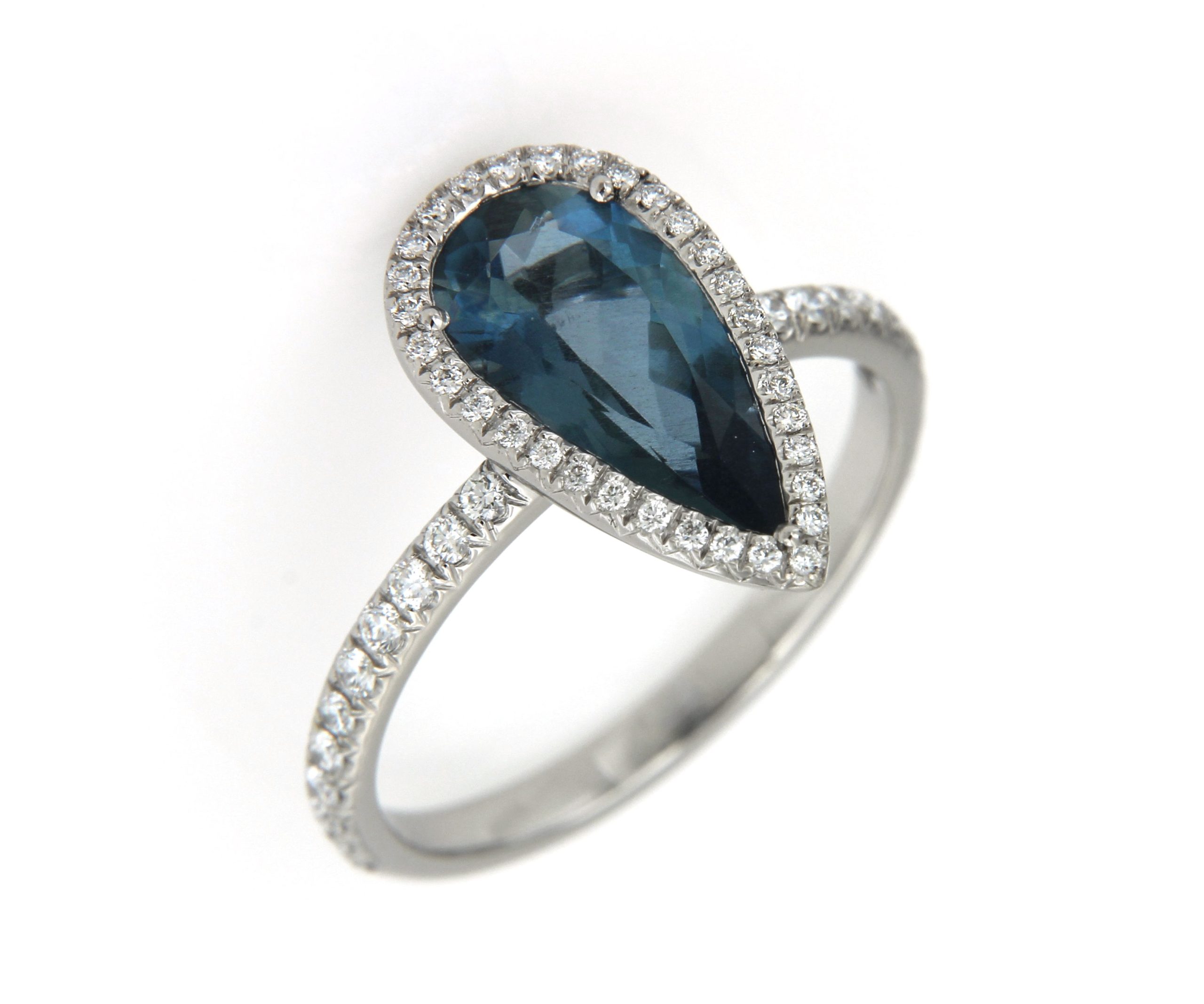
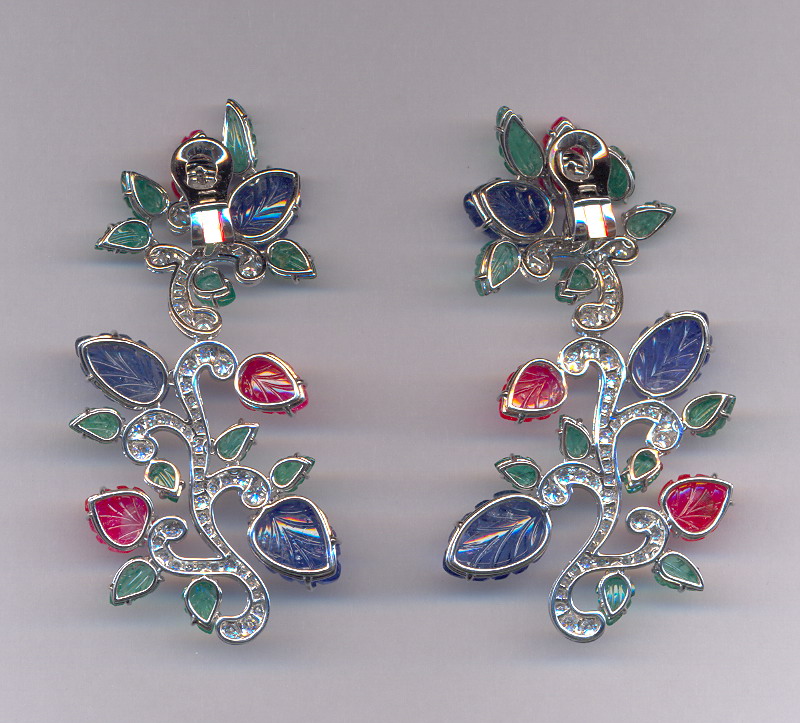
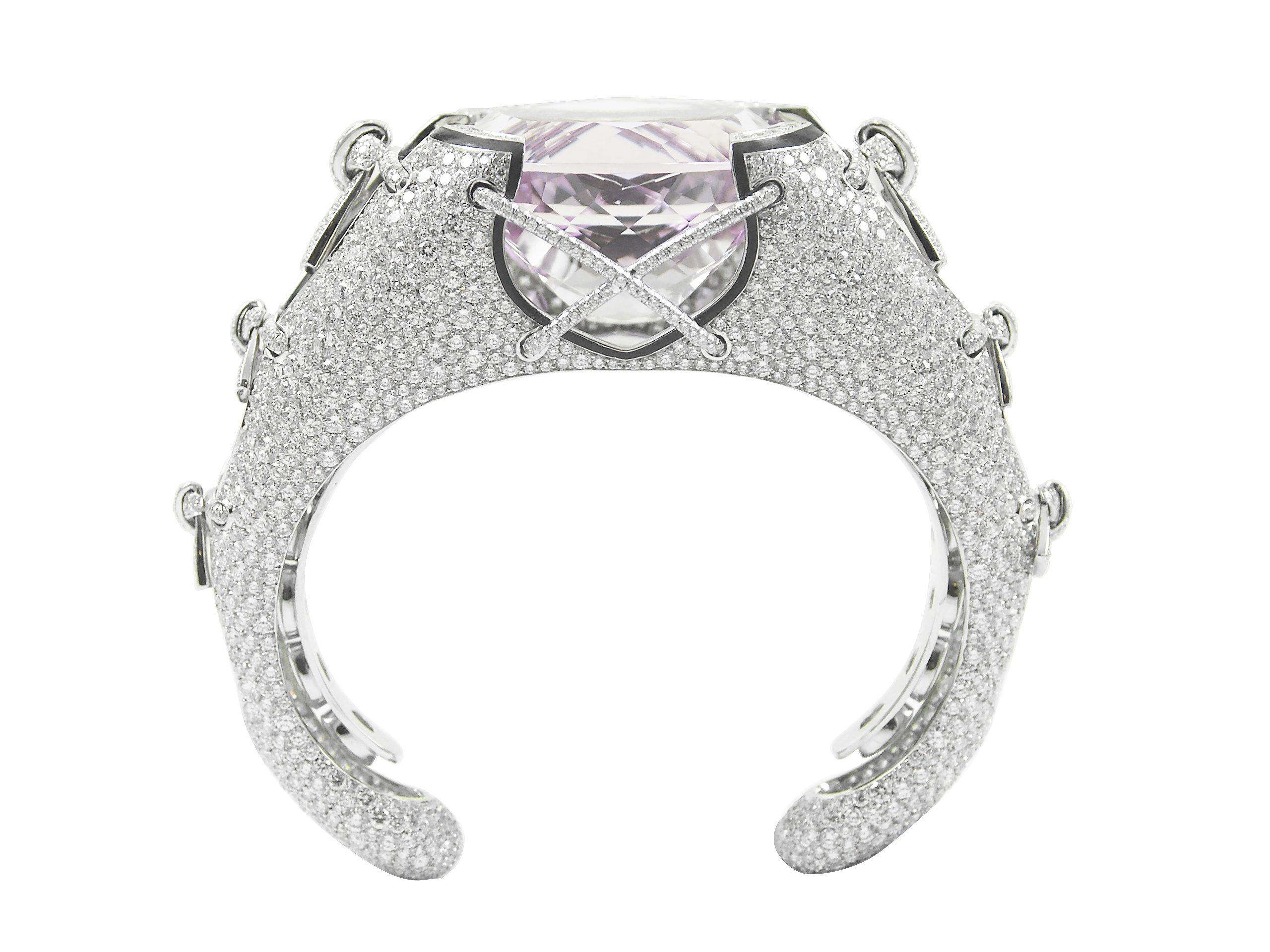
Setting the stones is crucial. Most manufacturers use just one, two or three sizes of stones on a surface of 10x 10 mm. But we use a minimum of seven different diameters of round stones, and it is much more work! It looks much more sparkling. That is how jewellery looked for centuries, and it all was lost when manufacturers started 3-D printing.
A lot also got destroyed by laziness and by saving labour. At our workshop, not one piece comes out without mise à jour. There should never be a round hole on the back. The back must always be like in the old days.
We do the stone-setting under microscope. We have about 110 people skilled in microscope setting. We can even set in Steel and Titanium. It’s horrible work, but we do it. Not many setters can.
What about other steps?
When the final mold is finished, we sit together and make a production plan. The plan gives us the ability to understand how long it will take to produce.
At the same time, the order goes to our stone-buying department, where we have experts doing nothing except selecting stones, for the right size, clarity, shape and colour.
All the information is gathered and processed by our own developed internal business application system, or IBA, which we enunciated over the years. This helps us with all aspects of planning, scheduling, sourcing, costing and so on.
QC is continual, not a single step. At every step of the production we have a quality control mechanism, which must always follow the “four-eyes” principle.
So that’s about eight steps?
Yes, as many as eight, each with QC. I would name it “brutal’ quality control”. And still it happens that we make mistakes, but we often catch them.
Keeping to production schedules, delivering on time seems to be a problem in this industry. How does Zarian perform, especially considering that you handle difficult orders?
We have a 95% yield in unit terms in regard to timeliness. So, 95 of 100 of all individual items get delivered to our clients by the projected due date. We are ranked by one of the biggest brands as the No. 1 supplier.
Only 5% get delayed, but not, interestingly enough because of a production problem. They get delayed when supply of raw material is short. We are talking about more unusual diamonds and coloured stones.
Let’s go back to your claim to be able to produce technically challenging designs. How are you able to do that and be cost-effective?
It’s not “cost-effective”, unfortunately, at least not for us. Cost effective is the wrong word. It’s cost-intensive. But often this is what is needed when making something that is distinctive, beautiful and very high quality. It’s about the discipline and innovation that we provide.
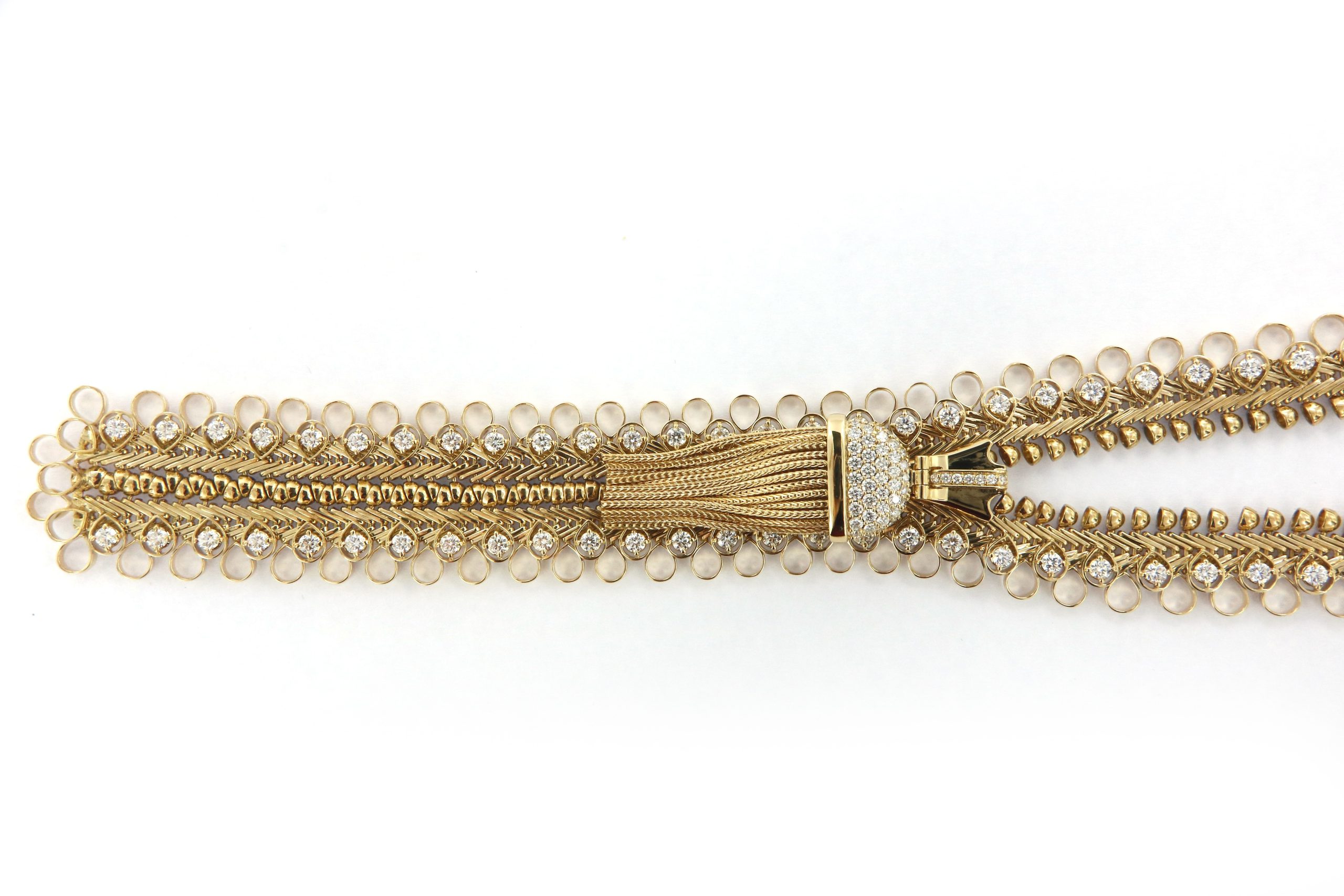
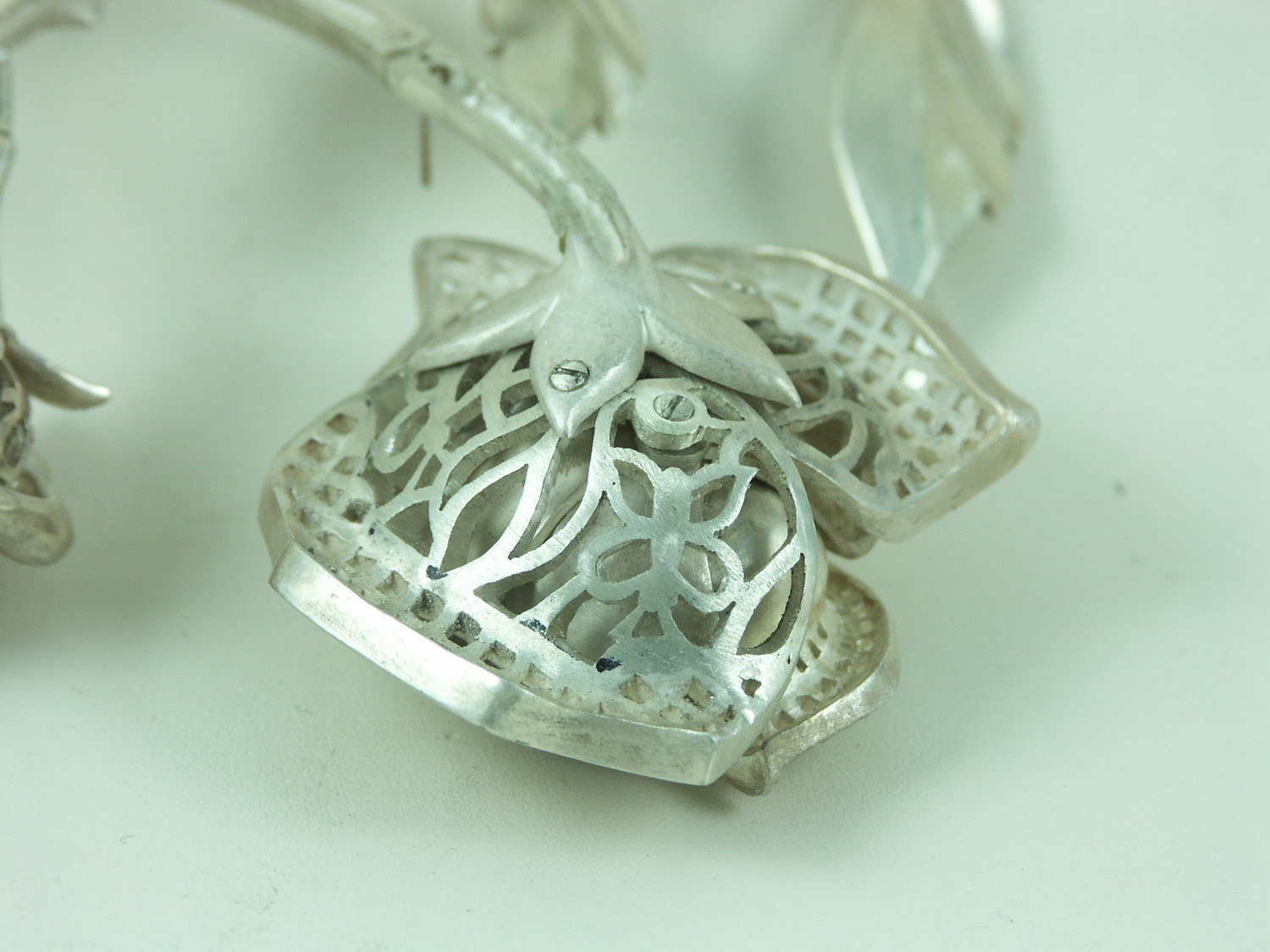
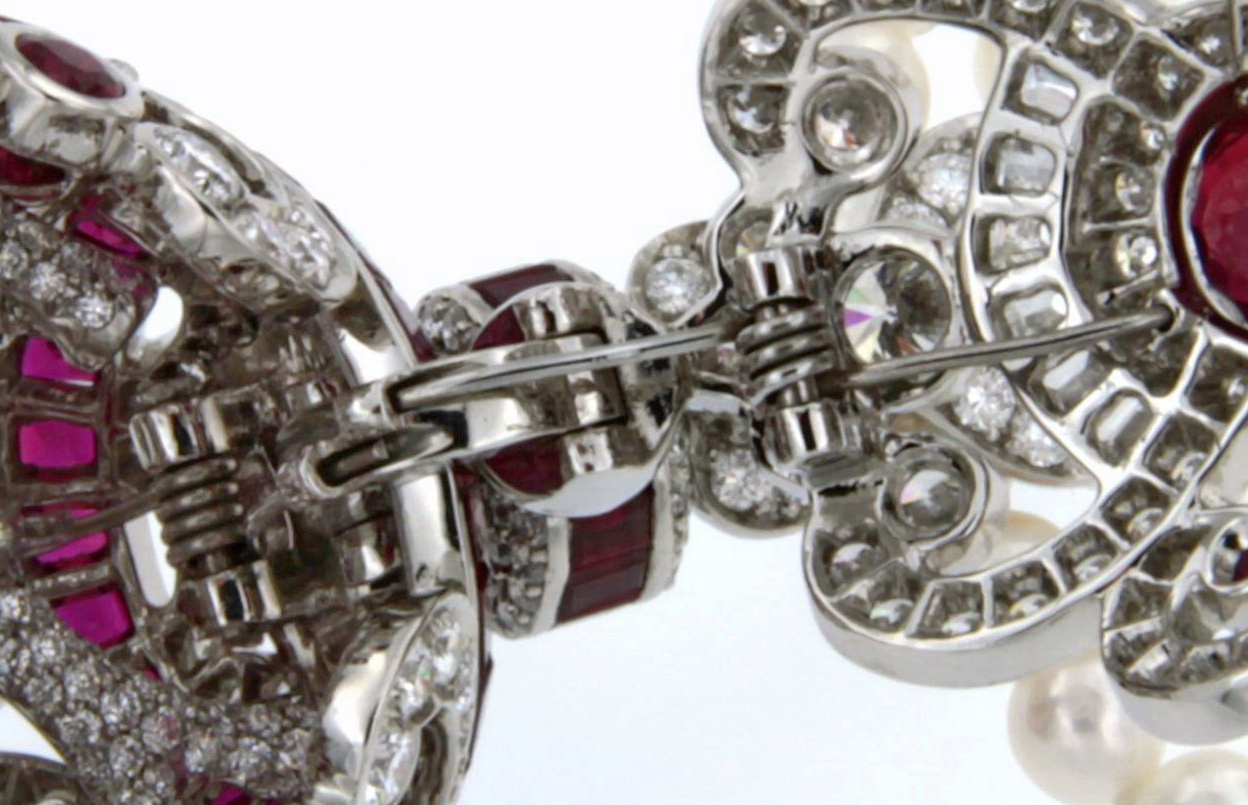
Let me help you understand. A client was asking us to do a totally invisible hinge in a piece of jewellery, so that you don’t see anything from the front, and it opens like magic.
We went for one day to Haefele, the architectural fittings company, and we looked at all the hinges of kitchen doors. We found one that you push in and it comes out automatically. We bought a sample and we transformed with some adjustment, to a size of 8 x 3 mm. It worked perfectly after 2 or 3 weeks in the wonderful piece. But it was definitely not “cost-effective”.
For instance, I worked on invisible techniques for setting stones for over 30 years. As far as we know, nobody else does it in that way, because we are really setting the stones, and not sliding them in or pushing them in like other workshops. We are setting each stone into the groove.
We do it even with round stones. Other manufacturers wanted to copy our technique, but they learned it was too work-intensive.
What about polishing?
When we began our company, we brought in a master polisher from Japan to train with our people. Because everybody believed that the Japanese are the best Platinum polishers. But it was nothing else than what I learned more than 60 years ago in Vienna. After pre-polishing, we use wood and plain paper, and we get a brilliant surface.
Polishing is feeling. You need to feel. You can enhance a piece with polishing, or you can destroy it. We are one of the few workshops that even polish the mise à jour (open back).
How about burnishing: do you have a special approach?
Burnishing has to do with the skills of the foreman and the teaching of the proper techniques of filing, sawing and soldering. These are processes that we improve in our in-house training school. As most of our craftsmen are from our school, where they learn our methods. We take trainees and we teach them from scratch. This takes about two years to be ready to join the basic production process.
What about laser welding?
Yes, we do have laser welding machines as well as laser engraving machines. But we also engrave a lot by hand. The human touch…
What about Zarian’s procurement of precious metals and stones?
As a member of the RJC, we have certain responsibilities. The sourcing is handled by 8 skilled colleagues in-house. 95% of our metal comes from a top German-Belgian company, and we use only recycled gold, as well as fair trade gold upon request. Our diamonds are sourced from Antwerp, Hong Kong, India, and Israel and come with Kimberley certificates. The coloured stones are mostly sourced in Bangkok. We provide the supply chain details if the client requests it.
Do you have any special advantage in sourcing gemstones and diamonds?
With our very knowledgeable colleagues we source from different suppliers. This can be rather challenging and sometimes even a pain. We trust only our own selection process, rather than the selection process of the suppliers. Stone dealers and suppliers are in first place sales people.
The most important thing is, you have to select every stone, even when it is under one millimeter in diameter. You have to QC and classify one by one.
Because you can’t trust a bag full of stones?
Exactly. In diamonds, we are on average selecting a maximum of 30-50% of what they are offering us.
What about measures to protect your client’s intellectual property rights?
We give top priority to guarding against theft of intellectual property. We lock up all the master-molds in a strong room. And if two different clients want to produce a design that is similar, say, because it is in fashion, then we follow the policy of making the item only for the first client that requested it. First-come, first-served, for the sake of fairness.
How is your company structured?
There are more than 260 employees across several linked companies:
– Zarian Fabrikation, Salzburg is the headquarter for Europe and for part of the product development and assembling. It handles logistics for Europe and sourcing of raw materials. It is also responsible for final quality control at its joint-venture workshop in Vienna.
– Zarian Co. Ltd., Bangkok produces parts, especially very labour-intensive ones, meeting standards higher than those achieved by most companies in Europe. It also sources diamonds and coloured stones. Zarian has privileges under the Thai government’s Board of Investment (BOI).
– Zarian Ltd., Hong Kong is the headquarter for sales and marketing and logistics worldwide except Europe. We also source diamonds in Hong Kong.
Email To: info@Zarian.com